
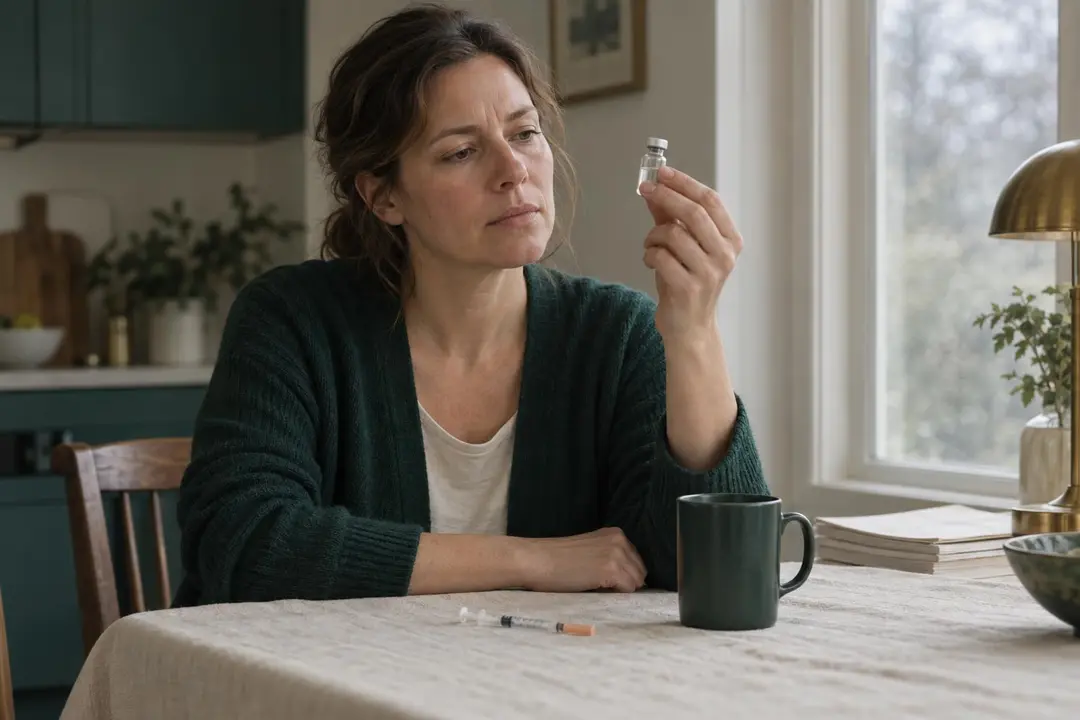
On August 12, 2026, Eli Lilly filed six lawsuits in U.S. federal court against companies selling retatrutide: a Texas compounding pharmacy, a California medical spa chain, and four Texas-based online peptide sellers. This is the first time Lilly has directly sued research-use-only suppliers rather than compounding pharmacies and telemedicine companies.
The numbers in the announcement matter
Lilly said it has reported more than 14,000 websites, ads, social media posts, and product listings across more than 100 countries, and referred over 200 individuals and entities to the FDA, DOJ, state attorneys general, and pharmacy boards. Lilly clearly has a commercial interest here, which should be placed next to the quote. But that does not change the basic facts provided by regulators.
Why “research use only” protects no one
The FDA has made clear that under federal law, retatrutide cannot be compounded, is not a component of any approved drug, and has not been proven safe and effective for any disease. There is no shortage-list loophole, because shortage refers to approved products, and retatrutide was never approved.
The “research use only” (RUO) label has now been tested by the FDA and failed. In a March 2026 warning letter to a peptide supplier, the FDA noted that although the product was labeled RUO, the supplier’s own marketing materials about appetite suppression, insulin sensitivity, and fat oxidation showed the products were actually intended for human use. The disclaimer and the marketing claims appeared on the same page, and the FDA read the page as a whole.
Import Alert 66-80
The FDA has also placed retatrutide on Import Alert 66-80, meaning it can detain shipments of GLP-1 active ingredients at the border without physical inspection. This identifies where the powder comes from: bulk API from overseas manufacturers, screened at the manufacturer level rather than the vial level.
Biologic or small molecule?
There is also a second legal layer. Since 2024, Lilly and the FDA have debated whether retatrutide is a biologic or a small molecule. This sounds academic but is not: a BLA enjoys 12 years of market exclusivity, while a standard NDA gets only 5. As the Q1 2027 filing deadline approaches, this debate is intensifying and will determine how long Lilly can hold the market after approval.
Conclusion
Lilly’s lawsuits and the FDA’s enforcement actions show that the RUO label is no longer a shield against regulation. For suppliers and users alike, understanding this legal reality matters more than ever.